

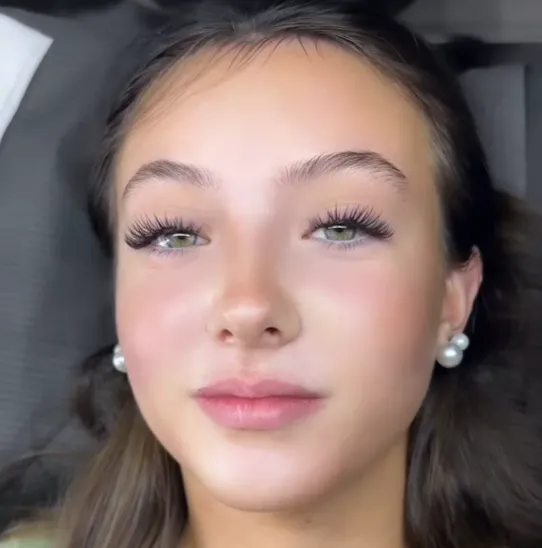
Lip blushing is also known as permanent lip makeup. It’s a cosmetic treatment that enhances the natural beauty and radiance of your lips. This procedure can improve symmetry and add subtle color to lips for years. The healing process can be a crucial part of the journey, even though the results are stunning. What you should know about the healing process of lip blushing and what to expect when it’s over.
How Long Does It Take for Lip Blushing To Heal?
The initial healing phase for lip blushing usually takes 7-10 days, when the majority of discomfort is relieved. It can take up a month to recover fully and settle the lip color.
During this period, you may notice visible changes in your lips, such as swelling, peeling and drying. To achieve the best results, it’s crucial to be patient and to follow all aftercare instructions.
Book Now!
Call us at (727)-460-4550
The Lip Blush Treatment
Lip blushing is the process of implanting pigments into your skin with a special device. The procedure usually takes between 40 minutes and an hour. It can be done in a variety of styles.
- Full Lips: A uniform color on the entire lip for a fuller look.
- Aquarelle Lips – A soft, watercolor effect that adds a subtle touch.
- Ombre lips: A gradient lip color with darker colors around the edges.
The pigment is designed for a 2-5 year lifespan, but touch-ups between 6 months and a full year can maintain the vibrancy.
Lip Blush Healing Phases Day by day
Healing is a process that occurs in stages. These stages can vary depending on factors such as individual characteristics and aftercare.
Day 1: Tenderness and Intense Color
- As a reaction to the incisions, your lips may swell. This swelling may last for several hours or even a whole day.
- As the numbing agents wear off, you may feel your lips tighten and become tender. This is similar to mild sunburn.
- Color Intensity : The initial color may appear darker than the final product, which is normal but can be surprising.
Days 2-3: Swelling, Tightness and Dryness Reduced
- Your lips will feel tighter, and drier as the swelling subsides.
- As the skin starts its healing process, scabbing can start to appear. This can be a painful phase, but a moisturizer recommended by your dermatologist can soothe the discomfort.
Day 4-6: Itching and Peeling
- Peeling: Scabs begin to peel. They usually start at the center and work outwards.
- If you notice that your lips are itching, don’t pick at them or scratch. This can affect the healing process as well as the pigment.
Days 7-10: Minor Peeling and Color Ghosting
- Color ghosting: The color can appear lighter or fade as the pigment settles. This is part of the natural healing process.
- Your lips will begin to feel softer as the remaining scabs peel off.
Weeks 3-4 Final Results
- The final color will appear by the third or fourth weeks as the pigment settles into your skin.
- Your lips will look natural and refreshed, free of any residual dryness or sensitivity.
Book Now!
Call us at (727)-460-4550

Healing Process Factors
Although the healing timeline is generally consistent with individual experiences, they may vary depending:
- Skin Type: Sensitive and oily skin can take longer to heal.
- Style of Lip Blush : Full lip designs can require more peeling compared to ombre or Aquarelle styles.
- Follow the instructions for proper aftercare to improve healing results.
Healing Tips to Ensure a Smooth Process
It is important to follow aftercare instructions in order to achieve the best possible results. What to avoid during healing:
- Avoid excessive moisture exposure by keeping your lips dry except when applying the moisturizer recommended. Avoid hot tubs, saunas and swimming.
- Avoid touching or picking your lips.
- Protect your lips against direct sunlight exposure to prevent pigment fade.
- Harsh Products Avoid toothpaste, alcohol or salt as they can irritate your skin.
- Avoid strenuous activities: Do not engage in activities that make you sweat excessively or cause stress to your lips.
Common concerns during healing
Swelling, discomfort and pain
Mild swelling is normal after the procedure. Consult your technician if swelling persists or worsens after a few days.
Uneven Pigment
Normal for pigment to appear unevenly during the healing process. After the healing process is complete, you will see the final result.
Fading color
It is normal for the color to fade in the first couple of weeks. Touch-up sessions can be used to enhance the pigmentation and correct any uneven areas.
How does the healing process differ by style?
Although the healing process for different lip blushing styles is similar, the discomfort and peeling can vary.
- Full Lips: Peeling usually starts in the middle and spreads to the edges.
- Ombre Lips: The pigmentation is darker at the edges, so the peeling is more intense.
- Aquarelle Lips: The healing process may be less intense due to the soft pigment applied.
Final Takeaways
Lip blushing can be a transformational procedure. It can improve the appearance of lips and increase your self-confidence. The healing process is painful and can cause temporary changes. However, the end result is worth it. You can have beautiful lips for many years by following the proper aftercare.
Understanding the stages of healing and being ready for the journey is the best way to achieve the desired outcome.
